Tolerance on Slitter Tooling
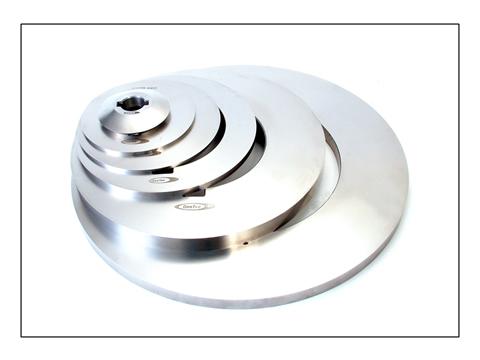
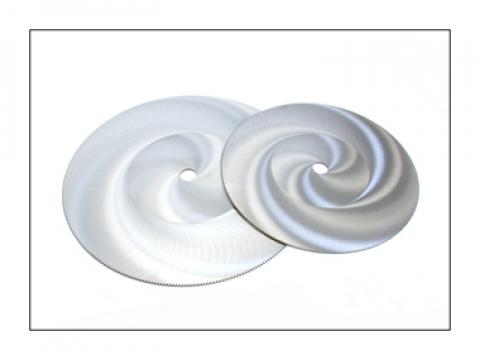
Outer Diameter (O.D.) : Technically speaking, the outer diameter of the slitting knife should be kept as large as possible to get more life. Nevertheless, design parameter of slitting line will limit its size for obtaining stable slitting, because when O.D. of knife increases, cutting force increases, outness of knife also increases. Generally the O.D. of knife is about 50 to 60 times the thickness of sheet metal. Slitting knives are generally used for gang slitting. More than one knives are used at a time. Vertical clearance in the knives is set with reference to outer diameter of knives. Ideally, the O.D. of all the knives should be same. The tolerance on O.D. should be closer. Tolerance on O.D. becomes more important while slitting thinner strip. It is recommended to have O.D. tolerance within 30 microns (0.0012"). For thinner strips this may be limited up to 20 microns (0.0008").
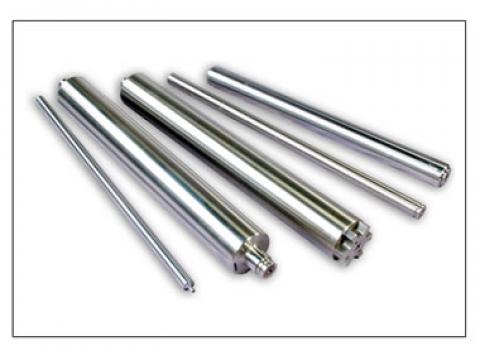
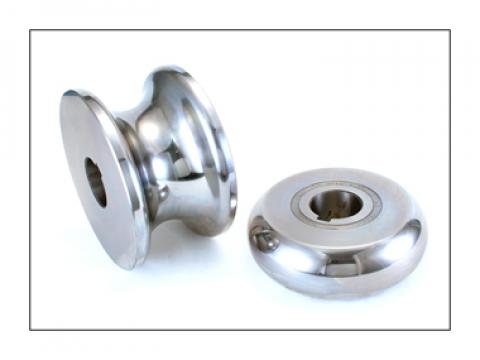
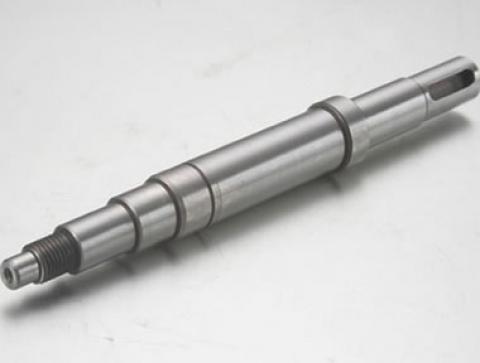
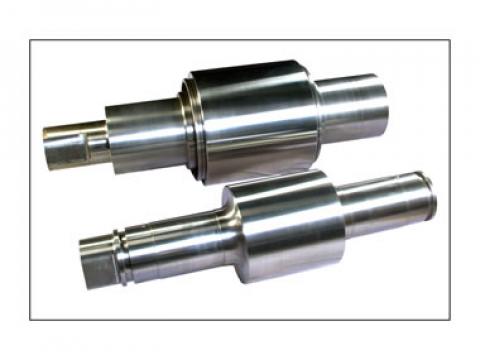
Bore : For good slitting, the bore of knife should be bigger. For better results, O.D. to I.D. ratio should be kept as small as possible. The knife is fitted over the slitting arbour and it should slide easily. Simultaneously, the bore should not be loose on arbour because if there is clearance between shaft diameter and bore of a knife, then while assembling, the knife will fit loose on the arbour and after tightening the knives and spacers the knives shall move eccentrically. This would mean that vertical clearance between knives will keep changing while knives rotate. In general bore of knife should be 60% of O.D. for better stability of knife.
TO PREVIEW THE COMPLETE ARTICLE DOWNLOAD FROM THE ATTACHMENT SECTIONEmail To a Friend
Print Version
Plain Text
Most Recent
Most Recent